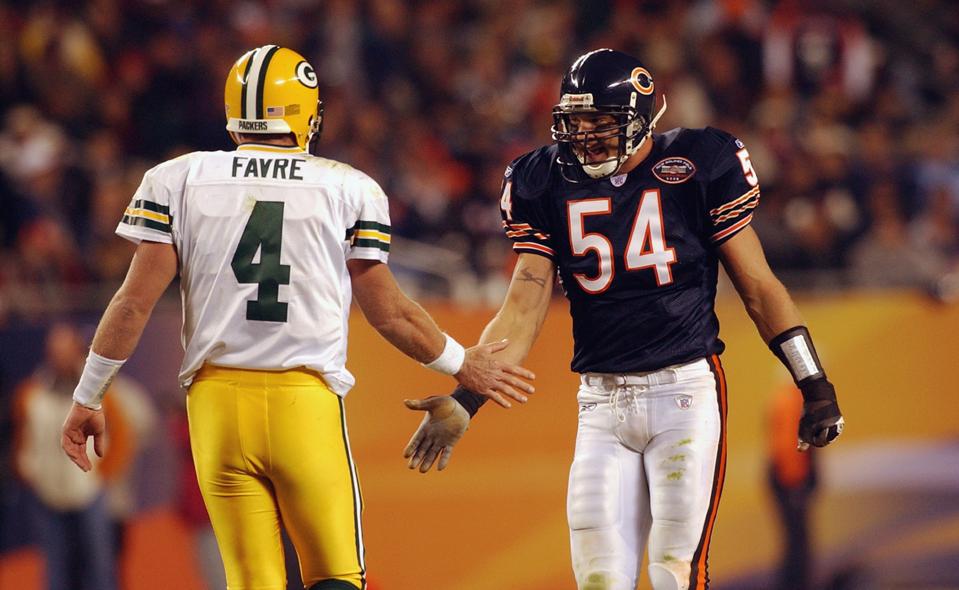
The National Football League was created in 1920 and has become one of most profiting and influential sports leagues in the world. The Arizona Cardinals are the oldest NFL franchise, but right after are the Chicago Bears and Green Bay Packers. Over a century of playing against each other, their rivalry has grown stronger throughout the years. So much of the NFL’s history has been built on the Chicago Bears and Green Bay Packers rivalry.
Even with Green Bay dominating the rivalry in recent years, there is a long history between these two teams and so many different coaching regimes, star players, and different cultures. From the dominant Chicago defenses, to the Hall-of-Fame quarterback talent in Green Bay, these two teams have so much history behind them.
Heading into the 2025 season, most NFL fans and analysts expected the Green Bay Packers to make the playoffs and compete for a Super Bowl, however, the expectations were low for the Chicago Bears. Green Bay has lived up to the hype, but the Chicago Bears have exceeded all expectations, sitting at 10-4. Green Bay is right behind them in the NFC North with a 9-4-1 record. Regardless of what their records are, the rivalry has sprung back to life for the first time in almost a decade.
Let’s dive into the history and the resurgence of the NFL’s most prestige rivalry.
From Halas to Lambeau
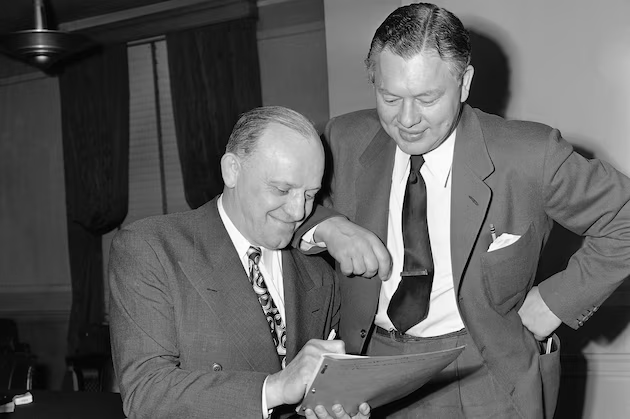
The Chicago Bears were founded by George Halas in 1920 and were founded with the name “Decatur Stanleys”. They would make the move to the Windy City the following season and would take the name “Bears” the following season. The Chicago Bears were coached by legendary head coach George Halas and he would be at the helm until 1963, coaching for a combined 40 years. Halas would continue as the owner of the team until his death in 1983. During his years of coaching, Halas would coach against another legendary head coach, Curly Lambeau of the Green Bay Packers.
The Green Bay Packers would join the NFL in 1921 and are famously known for not having one owner and are a publicly owned, non-profit corporation with over 500,000 stock holders. They were founded by Curly Lambeau who played and coached Green Bay for over 30 years and would turn into one of the most historic figures in NFL history. After Lambeau passed away in 1965, the Green Bay Packers would honor Lambeau by renaming their home field to “Lambeau Field”.
Both of these teams were led by two of the “Founding Fathers” of the NFL and have since tried to carry the legacy. Throughout the years, both teams have had their ups and downs, but regardless, it was a blood-bath when these two teams took the field against each other.
Chicago Bears-Green Bay Packers Rivalry by Decade

These two teams having been playing the in the same division for years and played an astounding 209 times (twice in the post-season). Heading into this week’s matchup, Green Bay is leading the rivalry 106-95-6 (1-1 in the post-season). These teams are No. 1 and No. 2 in all-time wins in the NFL and dominated the early stages of the NFL.
In the 1920s, the NFL was dominated by the Chicago Bears and the Green Bay Packers. These two teams were stellar and would go back in forth in the win/loss column against each other. However, in the late 1930s, the NFL was trying to advertise their brand and the sport of football and used the Chicago Bears and Green Bay Packers rivalry as their main source of entertainment and advertising. All the way until the 1960s, the Chicago Bears dominated this rivalry, with players like Sid Luckman and Bobby Layne leading the charge.
However, in the 1960s, Bart Starr would come onto the scene and change the rivalry in Green Bay’s favor. Green Bay would dominate the 1960s, winning five championships, including the first “Super Bowl”. Up to this point, both of these squads were two of the best teams in the NFL and would continue to produce at a high level.
Throughout the 1970s and 1980s, the Chicago Bears would have some of the most talented players in NFL history leading their squads. They drafted Walter Payton in 1975 and he would instantly become one of the best players in the NFL. He would carry the offensive load for most of his career, even winning a Super Bowl in 1985. On the defensive side, Chicago would become “The Monsters of the Midway” and terrorised opposing quarterbacks. With Hall-of-Famers like Mike Singletary, Richard Dent, and Steve McMichael would transform the Chicago into a powerhouse.
In the 1990s, the Green Bay Packers would start to take full control over this division. After trading for Brett Favre, he would become an icon for Green Bay, winning two Super Bowls leading into the 2000s. They would also acquire Hall-of-Famer Reggie White and he would transform Green Bay’s defense. Favre played with Green Bay until 2008 but in 2005, Green Bay already drafted the successor to Favre.
Aaron Rodgers would become one of the greatest quarterbacks in NFL history, winning multiple MVPs and even winning a Super Bowl in Green Bay in the 2010 season. During the 2000s, the Chicago Bears would make one Super Bowl and fell short to the Peyton Manning led Indianapolis Colts. These two teams battled throughout the 2000s, but Green Bay was slowly pulling away with the rivalry.
With Aaron Rodgers winning multiple MVPs and a Super Bowl in the 2010s, Green Bay dominated the rivalry. They would end up finishing 17-4 int he 2010s against Chicago with Chicago losing such great success and consistency. While Chicago was flipping through coaches and General Managers, Green Bay has a consistent front office that would put together great teams year in and year out.
Throughout the 2020s, Green Bay has continued their dominance and some people considered the rivalry dead. However, the 2025 season has given this rivalry hope and resurgence.
A Rivalry Reborn

After finishing the season 5-12, Chicago needed to make changes for their new franchise quarterback, Caleb Williams. Even after a 4-2 start in 2024, Chicago would plummet and continue to lose close games in horrific fashion. However, Chicago would end a ten game losing streak in Week 18, defeating the Green Bay Packers with a walk-off field goal.
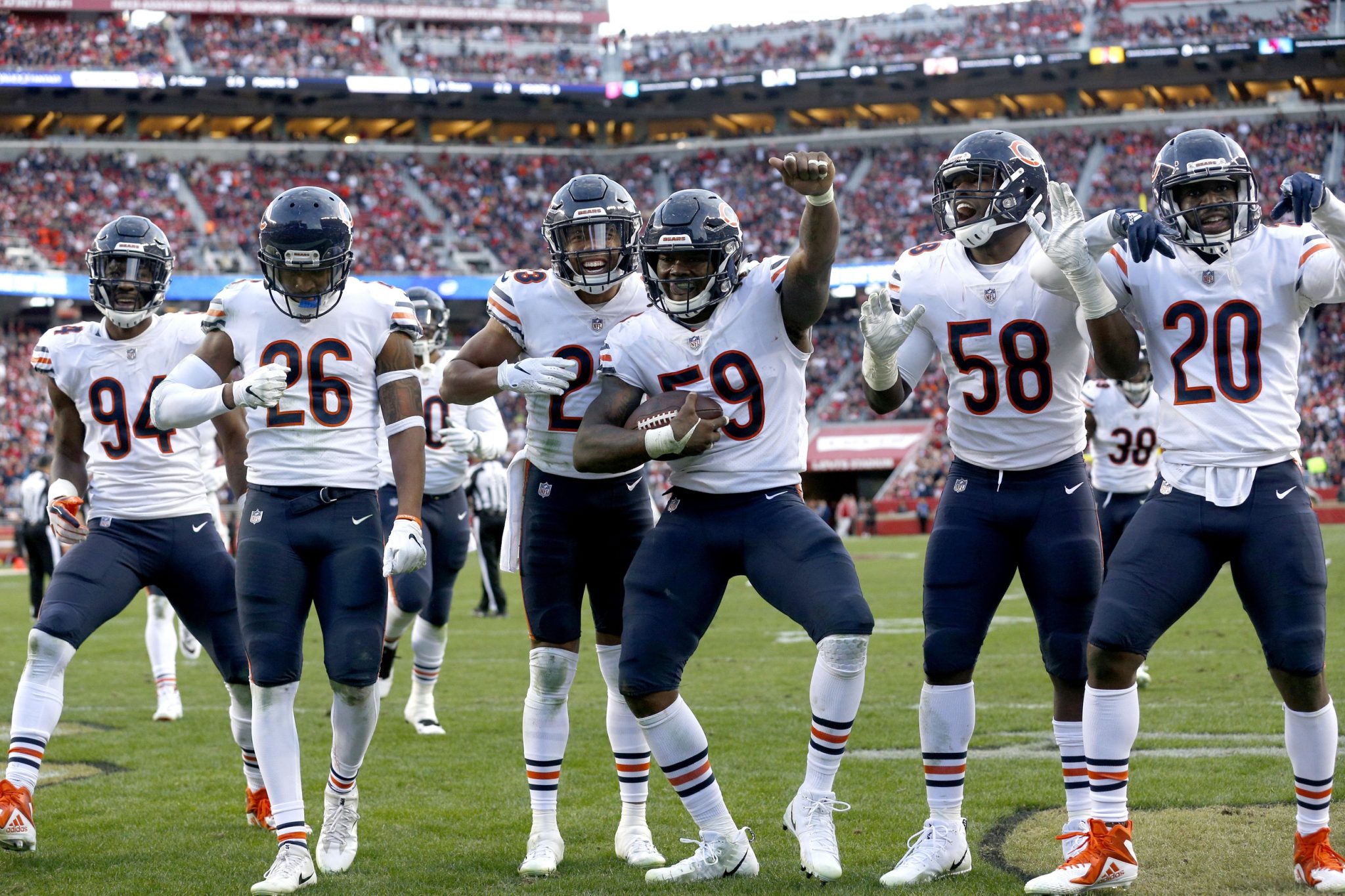
Chicago would enter the 2025 off-season on a mission, convincing offensive gurus Ben Johnson to become the next head coach in Chicago. As of right now, this move has been a franchise-altering move. After starting the season 0-2, Chicago is sitting at 10-4 and at the top of the NFC North. In unexpected fashion, the Chicago Bears are back to being a good football team for the first time since 2018 (Read my article about the 2018 Chicago Bears).
Green Bay would turn the ball over to Jordan Love in 2023 and he would surprisingly lead Green Bay to a playoff victory. Love and Green Bay would continue playing good football, finishing 11-6 in 2024. With a uninspiring performance in the post-season, Green Bay felt they were one move away from becoming true contenders, and in the 2025 off-season, they would make that big splash.
Green Bay traded two first rounds picks and defensive tackle Kenny Clark to the Dallas Cowboys, acquiring All-Pro Micah Parsons. To this point in the season, he has transformed the defense, becoming one of the best units in football. However, he suffered a torn ACL this past week and is out for the rest of the season, and fans are questioning how Green Bay’s season will end.
The Chicago Bears and the Green Bay Packers have played only once through the 2025 regular season, as Green Bay pulled away late with a game-sealing interception as they won 28-21. However, heading into this last matchup, this is considered potentially the most important game between the two franchises in years. With the NFC North on the line, Green Bay is looking to take over the top slot, but Chicago is looking to maintain their unexpected, high status in the NFC.
The rivalry has been brought back to life in 2025 and it feels like these two teams just absolutely hate each other. The cold weather, the packed stadium, and the loud crowds just energize this rivalry even more. The Chicago Bears and the Green Bay Packers rivalry has turned back the clock and fans couldn’t be more excited about the future of this rivalry