The name, image, and likeness (NIL) became a reality for college athletes during the summer of 2021 and has become the biggest topic in college sports. For years, college athletes were full-time student athletes without compensation, while the NCAA and the universities they were playing for were making millions of dollars off their players’ performances. Today, frustration is boiling over as coaches and fan bases become infuriated due to the transfer portal gaining more power with the introduction of NIL.
Universities have the option to offer a specific amount of NIL money to certain players and coaches, and teams are starting to face reality when it comes to the current state of college football. How are non-wealthy programs going to compete in the future, and how will teams be able to retain talent throughout the years?
In a recent Five Out Podcast episode, Graham and I discussed what the future of college football looks like with collegiate teams “signing” athletes to contracts worth millions of dollars.
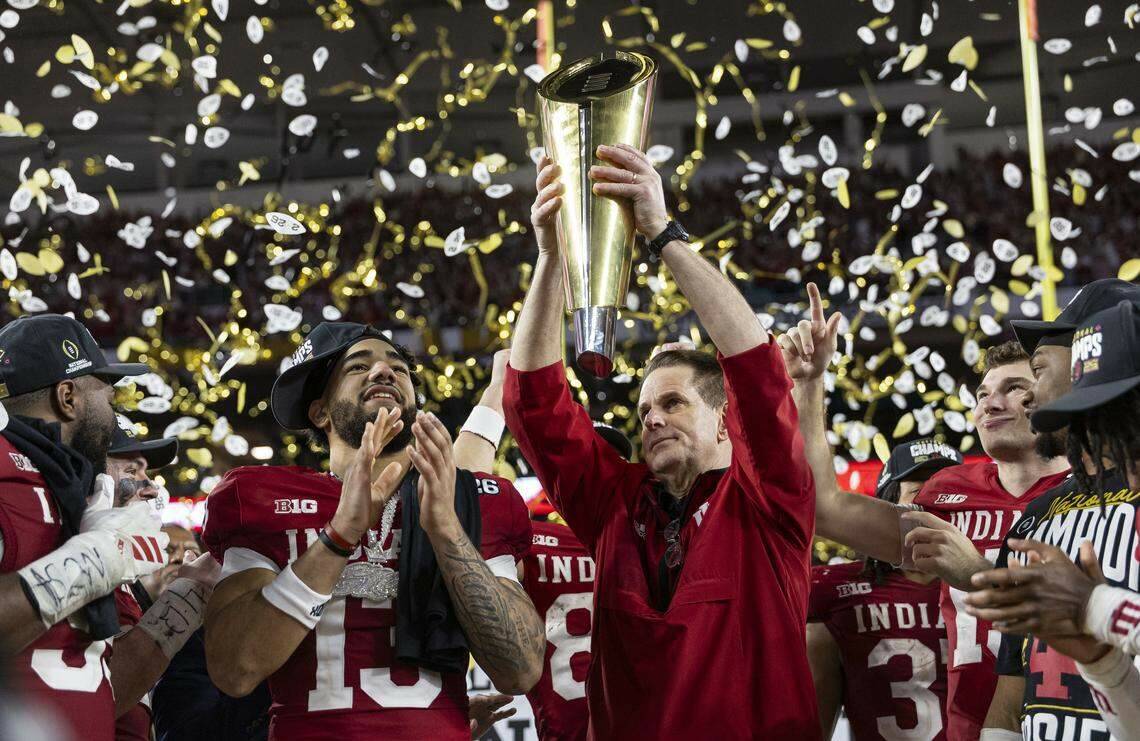
One team that is using the new system and succeeding more than ever is the Indiana Hoosiers. For the first time in program history, they are on top of the college football world, winning the National Championship and having future No. 1 overall pick Fernando Mendoza. According to Athlon Sports, Indiana is estimated to have spent $21.1 million dollars on their team, which is one of the most expensive teams in the country. Head Coach Curt Cignetti built his team through the transfer portal, and it worked to perfection.
Cignetti previously coached at James Madison University before making his way to the Big Ten. He poached thirteen players from JMU, and he recruited the third-largest class in the country. He turned around the program in 2024, leading them to their first CFP appearance and giving the school one of their best seasons in program history. He followed that up with an even better season, finishing 16-0 and winning the National Championship. The most impressive part about the 2025 Indiana Hoosiers is the lack of high-star recruits. According to USA Today, Indiana’s National Championship roster contained zero five-star recruits and just seven four-star recruits, making their championship run one of the best in sports history.
As I mentioned earlier, Indiana has one of the most expensive rosters in College Football, and they have continued to slam the transfer portal with multiple notable signings. Former TCU quarterback Josh Hoover and Edge Tobi Osunsanmi have already transferred to Indiana and have given them a top-seven transfer portal class in the country. They have recruited seven four-star athletes; however, their recruiting class does not even crack the top thirty in the country. So is recruiting through the transfer portal the key to success in this modern era of college sports?
St. John’s men’s basketball head coach Rick Pitino has taken the “Curt Cignetti” approach to constructing his team. During the 2024-2025 season, according to NJ.com, Pitino said, “I probably wouldn’t take him because I don’t think you can win, and win big, with high school kids.” This may be the new approach for programs looking to stay relevant in the NIL era, and if it is, the sport may be taking a turn for the worse.
My final thoughts on the current situation in college sports are simple: Not all college athletes should be making a large amount of money. According to Exactsports.com, no collegiate sport has a rate above 3% of athletes going to the professional level. However, players are continuing the transfer at an alarming rate, not just for playing time, but for a bigger check. I believe that collegiate athletes should get paid, to a certain extent. I believe the biggest issue with NIL is the public not knowing the exact amount these players are making, and we could see this continue to grow as a bigger issue.
Another issue with NIL is how the scheduling for the transfer portal and coaching carasol work. This season, we saw many players transferring from their teams during their postseason run, and we also saw the catastrophic situation between LSU head coach Lane Kiffin and the team he left during their playoff run, Ole Miss.
At the end of the day, the turnaround of Indiana Hoosier football is an incredible story and will more than likely earn a movie someday. I believe teams will follow suit, hammering the transfer portal more than recruiting young, unproven talent at the collegiate level. The problem has never been these athletes receiving money; the problem is the NCAA treating kids like free agents. Will this change in the future? Regardless of what happens within the next few years, one thing is certain: the NCAA loves taking advantage of a broken system that they will refuse to repair.
If you like this article, check out our Five Out Bracketology with weekly updates gearing you up for March Madness!